Essential men’s luxury wear styles for modern wardrobe and events
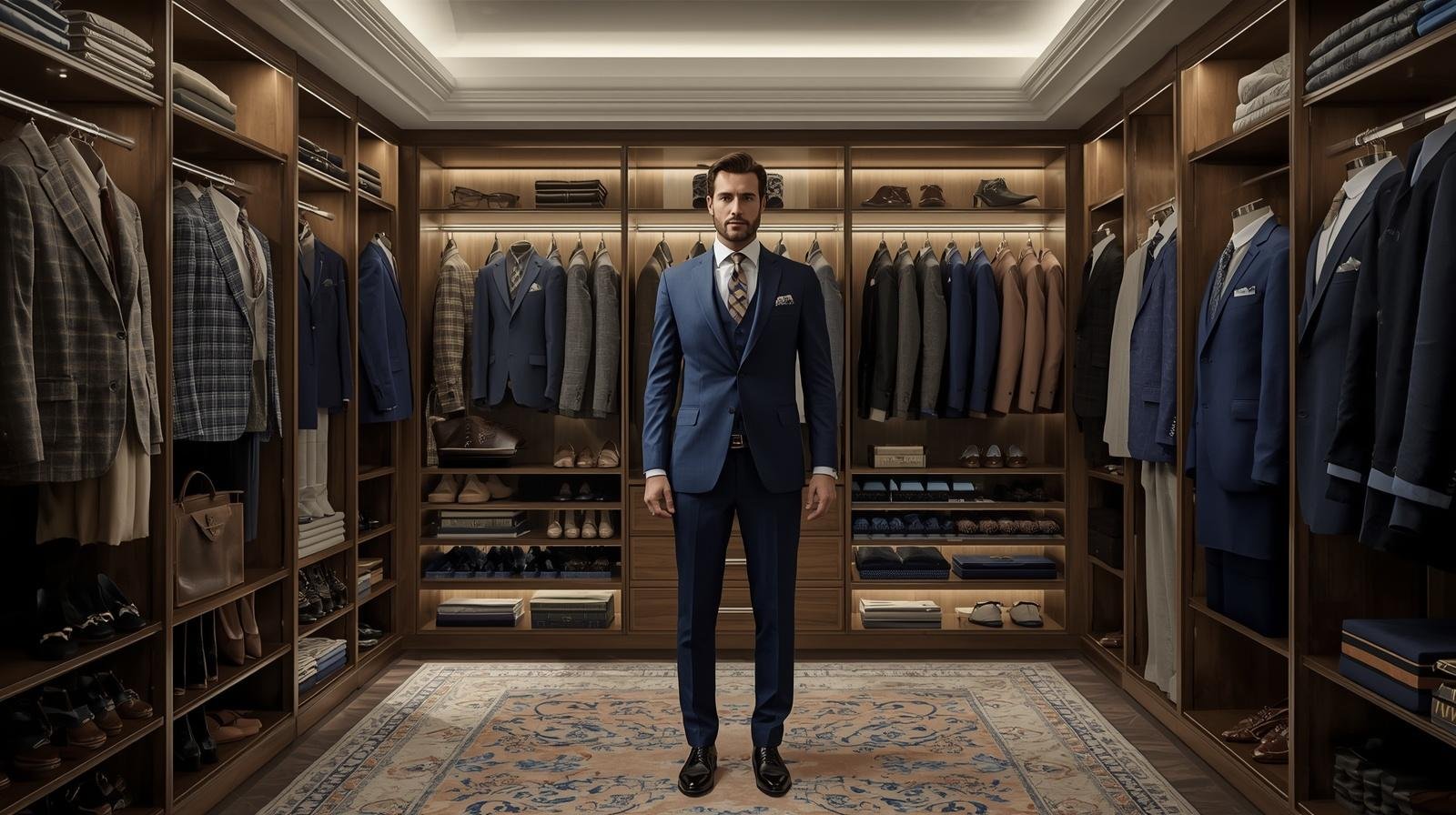
Men’s luxury wear is part of modern clothing systems used in work, events, and daily life. It focuses on structure, use, and function. A modern wardrobe is built from selected clothing items that support different situations.
Luxury wear is not only about appearance. It is also about use, fit, and long-term value. Men choose clothing that works in multiple environments such as offices, events, and travel.
This article explains essential men’s luxury wear styles for modern wardrobe and events. It covers clothing types, usage patterns, selection methods, and wardrobe structure.
Role of luxury wear in modern wardrobe
A modern wardrobe is based on planned clothing selection. Men choose items that work across different situations.
Luxury wear supports this system by providing clothing for structured and flexible use.
Wardrobe planning includes work clothing, event clothing, and daily use clothing.
Each category serves a specific purpose but also connects with others.
Formal clothing in men’s luxury wear
Formal clothing is used in offices, meetings, and official events.
It includes suits, shirts, trousers, and coats.
Formal wear is structured and follows standard design rules.
It is used when appearance and presentation are important.
Suit as core formal item
Suit is a main item in luxury wear.
It is used in professional and formal environments.
Suit includes jacket and trousers made from same fabric.
Fit and structure are important for use.
Suit supports professional identity.
Shirt selection for formal use
Shirts are part of formal clothing system.
They are used with suits or alone in business settings.
Shirts are selected based on collar type, fabric, and fit.
White and light colors are commonly used.
Shirts support clean appearance in work settings.
Trousers in formal wardrobe
Trousers are used with shirts and suits.
They are designed for structured fit.
Fabric choice affects comfort and movement.
Trousers support long use in professional environments.
Business clothing category
Business clothing is used in work environments that do not require full formal suits.
It includes shirts, blazers, and trousers.
This category supports daily office use.
It allows movement between meetings and tasks.
Casual luxury wear in modern wardrobe
Casual luxury wear is used in daily life and informal events.
It includes shirts, jeans, jackets, and simple clothing items.
This category focuses on comfort and usability.
It supports travel, social meetings, and personal time.
T-shirts in luxury casual wear
T-shirts are used in casual clothing systems.
They are simple and flexible.
T-shirts are selected based on fabric and fit.
They are used in daily activities.
Jeans and casual trousers
Jeans are part of casual luxury wear.
They are used for daily movement and informal events.
Casual trousers also support flexible use.
Both items are selected based on comfort.
Jackets in modern wardrobe
Jackets are used in both formal and casual systems.
They support layering in different seasons.
Jackets include blazers, light jackets, and coats.
They help complete outfit structure.
Event based clothing selection
Different events require different clothing choices.
Luxury wear supports this system through structured categories.
Formal events require suits and structured clothing.
Casual events allow flexible clothing selection.
Wedding and ceremony clothing
Weddings require formal clothing systems.
Suits and traditional outfits are used.
Clothing is selected based on event type.
Presentation is important in these settings.
Office and workplace clothing
Workplace clothing includes business and formal wear.
It supports daily professional use.
Clothing must be comfortable for long hours.
Structure and fit are important.
Social events clothing
Social events allow flexible clothing selection.
Casual luxury wear is used.
Clothing is selected based on comfort.
Style depends on personal preference.
Fabric in luxury wear
Fabric is important in clothing selection.
It affects comfort and durability.
Cotton, wool, and blended materials are used.
Fabric choice depends on use and season.
Fit and tailoring
Fit is important in luxury clothing.
Tailoring adjusts clothing to body shape.
Proper fit supports movement and use.
Tailored clothing is used in formal systems.
Seasonal clothing planning
Season affects clothing choice.
Light clothing is used in warm seasons.
Heavy clothing is used in cold seasons.
Seasonal planning supports comfort.
Accessories in men’s wardrobe
Accessories support clothing systems.
They include belts, watches, and shoes.
Accessories complete outfit structure.
They are selected based on event type.
Shoes in luxury wear
Shoes are part of wardrobe system.
Formal shoes are used in offices and events.
Casual shoes are used in daily life.
Shoes must match clothing type.
Role of brands in clothing selection
Brands influence clothing choices.
Consumers select trusted brands.
Brands provide structured collections.
Brand reputation affects decision making.
Online platforms in clothing selection
Online platforms provide access to luxury wear.
Consumers compare products before purchase.
Information supports decision making.
Online systems increase product access.
Pricing in wardrobe building
Pricing affects clothing selection.
Luxury wear is seen as long-term use item.
Consumers compare cost and value.
Budget affects purchase decisions.
Clothing maintenance
Maintenance extends clothing life.
Cleaning and storage are important.
Different fabrics require different care.
Proper maintenance supports long use.
Wardrobe structure planning
Wardrobe planning focuses on balance.
It includes formal, casual, and event clothing.
Items are selected for reuse.
Planning reduces unnecessary purchases.
Future of men’s luxury wear
Men’s luxury wear will continue to evolve.
Technology will influence design and selection.
Consumers will focus on function and use.
Wardrobes will become more structured.
Conclusion
Essential men’s luxury wear styles support modern wardrobe systems.
They include formal, business, and casual clothing.
Each category serves specific use.
Proper selection supports function and structure.
Men’s luxury wear continues to evolve with lifestyle needs.