Top men’s luxury wear brands shaping fashion trends and clothing industry
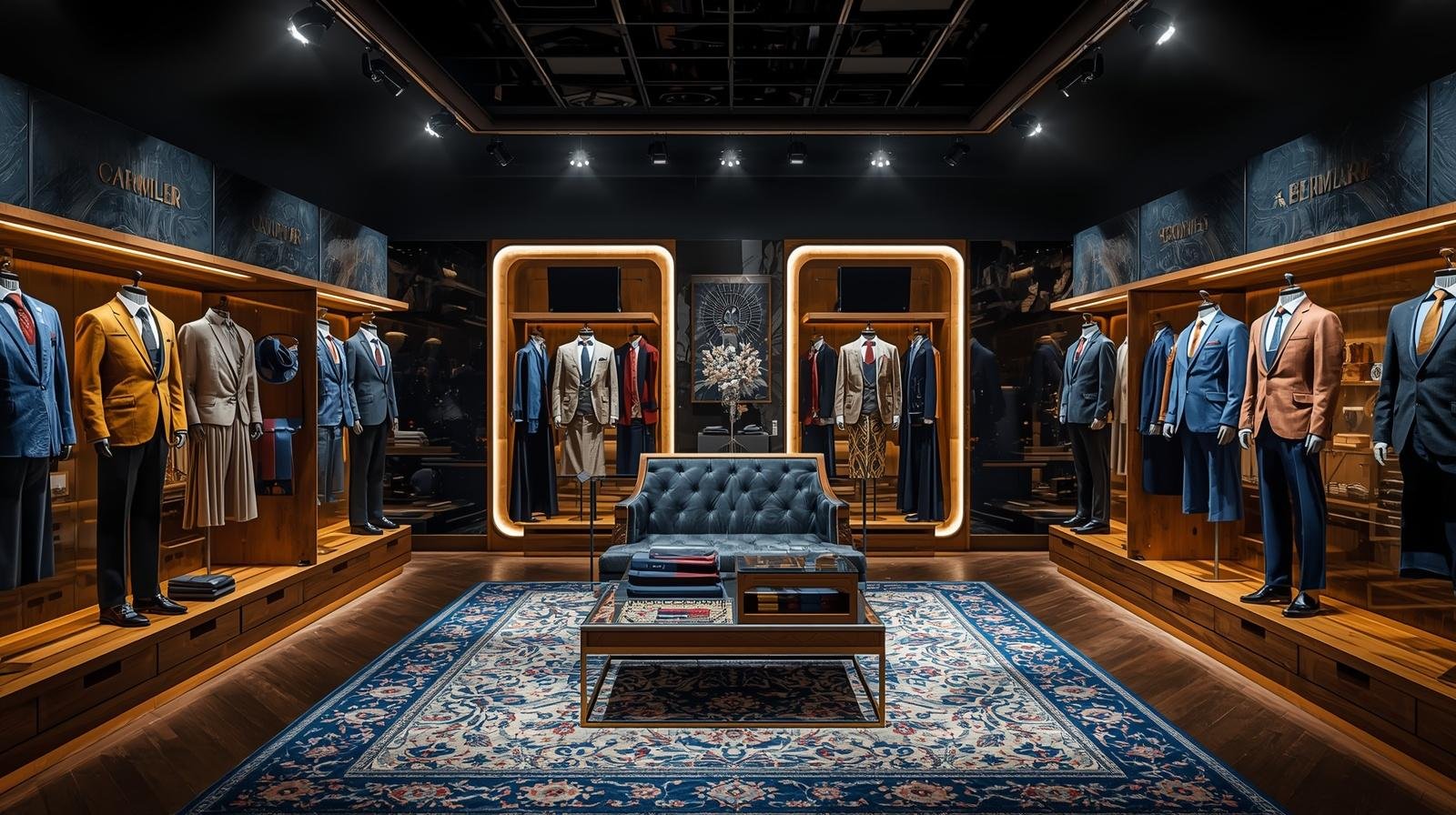
Men’s luxury wear brands play a central role in shaping fashion trends and clothing industry systems. These brands design, produce, and distribute clothing that influences how men dress in formal, casual, and event-based settings.
Brands do not only sell clothing. They also guide design direction, market behavior, and consumer expectations. Their collections affect wardrobe choices and global fashion movement.
This article explains top men’s luxury wear brands and how they shape fashion trends and the clothing industry.
Role of luxury brands in fashion industry
Luxury brands operate as design and production systems. They create clothing collections and introduce them to markets.
These brands set standards for quality, structure, and design.
Consumers follow brand collections when building wardrobes.
Brands influence both production and consumption systems.
Influence of established fashion houses
Established fashion houses play a major role in luxury clothing.
They design formal wear, casual wear, and accessories.
Their collections often define seasonal trends.
These houses operate in global markets.
Suit and formal wear brands
Some brands focus on suits and formal clothing systems.
They design structured clothing for business and events.
These brands influence how formal wear is shaped.
Their products are used in professional environments.
Casual luxury wear brands
Casual luxury brands focus on daily clothing systems.
They design shirts, trousers, jackets, and casual items.
These brands support comfort and flexibility.
Their clothing is used in informal settings.
Role of Italian fashion brands
Italian brands are known for structured clothing systems.
They focus on suits, tailoring, and fabric quality.
These brands influence formal wear design globally.
Their clothing is used in professional and event settings.
Role of French fashion brands
French brands influence style and presentation systems.
They focus on design structure and clothing balance.
Their collections include formal and casual wear.
These brands shape global fashion direction.
Role of British fashion brands
British brands focus on traditional tailoring systems.
They produce structured suits and formal wear.
Their clothing supports business environments.
They maintain long-standing fashion systems.
American fashion brands and modern trends
American brands focus on casual and flexible clothing.
They produce jeans, shirts, and casual wear.
Their designs support daily use systems.
These brands influence global casual fashion.
Emerging global brands in men’s wear
New brands enter fashion markets regularly.
They focus on modern design systems.
These brands use digital platforms for growth.
They influence new fashion trends.
Role of brand identity in clothing selection
Brand identity affects consumer decisions.
Consumers trust brands with consistent quality.
Brands maintain design patterns and style systems.
Identity supports market recognition.
Influence of branding on wardrobe building
Brand collections influence wardrobe planning.
Consumers select items based on brand reputation.
Brands provide structured clothing categories.
This supports wardrobe consistency.
Role of marketing in fashion brands
Marketing introduces products to consumers.
Brands use campaigns to promote clothing.
Advertising influences consumer awareness.
Marketing supports product demand.
Digital platforms and brand expansion
Digital platforms support brand growth.
Brands sell products through online systems.
Consumers access global collections.
Online platforms increase brand reach.
Brand collaborations in fashion industry
Brands collaborate to create new collections.
These collaborations combine design systems.
They introduce new fashion ideas.
Collaborations increase market attention.
Pricing strategies of luxury brands
Pricing affects brand perception.
High pricing is linked with quality systems.
Consumers compare price and value.
Pricing influences purchasing behavior.
Role of product innovation in brands
Brands focus on product development.
They introduce new fabrics and designs.
Innovation supports market growth.
It influences fashion direction.
Sustainability practices in fashion brands
Brands adopt sustainability systems.
They reduce waste in production.
They use responsible materials.
Sustainability influences consumer trust.
Role of supply chain in brand operations
Supply chains support production systems.
Materials are sourced globally.
Products are manufactured in multiple regions.
Supply chain efficiency affects availability.
Influence of celebrity endorsements
Celebrities influence brand visibility.
They wear brand clothing in public.
Consumers follow these choices.
Endorsements increase brand recognition.
Retail systems of luxury brands
Brands use physical and online stores.
Retail systems present collections to consumers.
Store design affects product visibility.
Online stores increase access.
Consumer loyalty to brands
Consumers develop loyalty to brands.
They repeat purchases from trusted brands.
Loyalty is based on quality and service.
Brands maintain long-term relationships.
Future of men’s luxury wear brands
Brands will continue to evolve.
Digital systems will increase role in sales.
Sustainability will remain important.
Global markets will expand brand influence.
Conclusion
Men’s luxury wear brands shape fashion trends and clothing industry systems.
They influence design, production, and consumer behavior.
Brands operate through marketing, retail, and innovation.
Their role continues to grow in global markets.