Building a complete men’s luxury wear collection with timeless clothing pieces
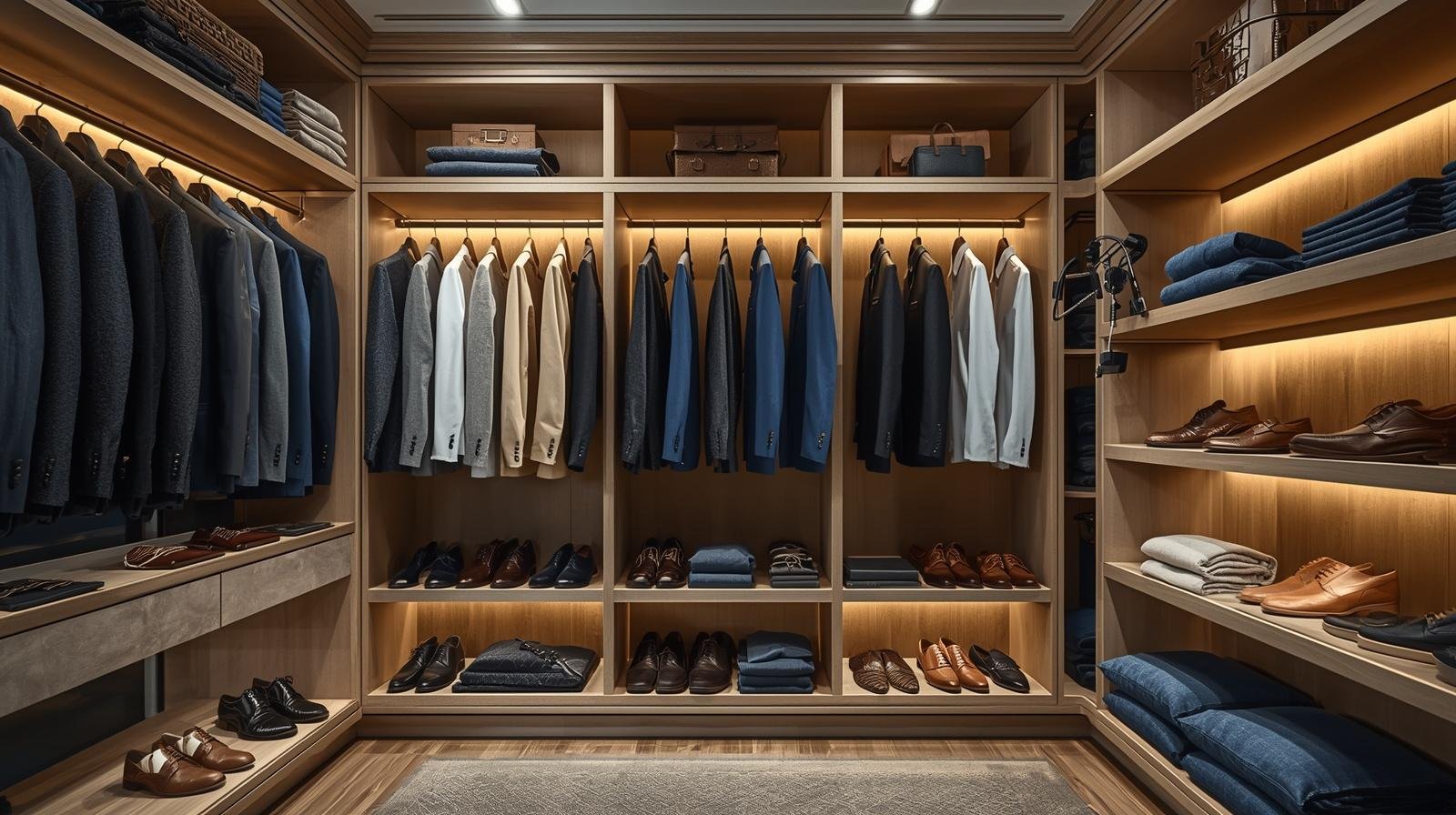
Introduction
Building a men’s luxury wear collection requires planning, selection, and long-term thinking. A complete wardrobe is not created in one step. It is developed through careful selection of clothing items that can be used in different situations.
Timeless clothing pieces are important in this process. These items remain useful across time and do not depend on short-term fashion changes. They support formal, casual, and event-based needs.
This article explains how to build a complete men’s luxury wear collection with timeless clothing pieces. It covers wardrobe structure, clothing categories, selection methods, and long-term use.
Understanding a complete wardrobe system
A complete wardrobe includes clothing for work, social events, and daily use. It is organized in a way that supports different situations.
Luxury wear collections are built around core items that can be reused.
Each item has a purpose and fits into a larger system.
Wardrobe planning focuses on balance and function.
Role of timeless clothing in wardrobe building
Timeless clothing refers to items that remain useful over time.
These pieces do not depend on short fashion cycles.
They include suits, shirts, trousers, and jackets.
Timeless clothing supports long-term wardrobe use.
Suit as foundation of luxury collection
Suit is a core item in men’s wardrobe.
It is used in formal and professional settings.
Suit includes jacket and trousers made from same fabric.
It supports structured appearance.
Shirts as essential wardrobe items
Shirts are used in formal and casual systems.
They are worn under suits or alone.
Shirts are selected based on fabric and fit.
They support daily and event-based use.
Trousers in wardrobe system
Trousers are used in formal and business wear.
They are designed for structured fit.
Fabric selection affects comfort and durability.
Trousers support long-term use.
Casual wear in luxury collection
Casual wear is part of complete wardrobe system.
It includes shirts, jeans, and jackets.
These items support daily use.
Casual clothing provides flexibility.
Jackets and outerwear
Jackets are important in wardrobe structure.
They are used in different seasons.
They include blazers and casual jackets.
Jackets complete outfit combinations.
Footwear in wardrobe system
Shoes are part of clothing collection.
Formal shoes are used in structured events.
Casual shoes are used in daily life.
Footwear must match clothing type.
Accessories in luxury collection
Accessories support clothing system.
They include belts, watches, and bags.
Accessories complete outfit structure.
Simple accessories are used in formal wear.
Color selection for timeless wardrobe
Color affects wardrobe flexibility.
Neutral colors support multiple combinations.
Common colors include black, white, grey, and navy.
Color selection supports long-term use.
Fabric selection for durability
Fabric affects clothing lifespan.
High-quality materials support long use.
Cotton, wool, and blends are used.
Fabric selection depends on purpose.
Fit and tailoring importance
Fit is important in wardrobe system.
Tailored clothing improves structure.
Proper fit supports comfort.
Tailoring supports formal appearance.
Seasonal planning in wardrobe
Season affects clothing use.
Light fabrics are used in warm seasons.
Heavy fabrics are used in cold seasons.
Seasonal planning supports balance.
Event-based clothing selection
Different events require different clothing.
Formal events use structured wear.
Casual events allow flexible clothing.
Wardrobe must support all events.
Building core wardrobe pieces
Core pieces form base of wardrobe.
These include suits, shirts, and trousers.
They are used in multiple combinations.
Core items reduce unnecessary purchases.
Role of repetition in wardrobe system
Repetition in clothing use is normal.
Timeless pieces are reused often.
They support multiple outfit combinations.
This reduces complexity in wardrobe.
Budget planning for wardrobe building
Budget affects wardrobe development.
Luxury wear is long-term investment.
Consumers plan purchases over time.
Budget supports structured collection building.
Online shopping in wardrobe creation
Online platforms support clothing selection.
Consumers compare products before purchase.
Information supports decision making.
Online access increases options.
Clothing maintenance in long-term use
Maintenance supports wardrobe lifespan.
Proper cleaning is important.
Different fabrics require different care.
Maintenance protects clothing value.
Wardrobe organization system
Organization helps in clothing selection.
Items are arranged by category.
This improves accessibility.
Organization supports daily use.
Role of brand selection in wardrobe
Brands influence clothing quality.
Consumers choose trusted brands.
Brands provide consistent products.
Brand selection supports wardrobe structure.
Avoiding unnecessary clothing items
Wardrobe building avoids excess items.
Focus is on useful clothing.
Timeless pieces reduce clutter.
This improves system efficiency.
Future of men’s luxury wardrobe systems
Wardrobe systems will continue to evolve.
Technology will support selection and planning.
Consumers will focus on function and use.
Timeless clothing will remain important.
Conclusion
Building a complete men’s luxury wear collection requires planning and selection.
Timeless clothing pieces form the base of wardrobe systems.
Suit, shirt, trousers, and jackets are core items.
Proper selection supports long-term use and flexibility.
A structured wardrobe supports formal, casual, and event-based needs.